Lesson 10. Past Tense
المقدمة
In this lesson, you'll learn how to talk about events that happened in the past using the simple past tense. You'll also learn some English words related to weather. At the end of the lesson is Chapter 2 of Ana and Alejandro's Adventures in Vancouver. In this chapter, they visit Granville Island Public Market.
قواعد
Past Tense of Verbs
The past tense of verbs, also called the simple past tense, describes a past action, event, or emotional state. Most verbs form the past tense by adding the suffix ed to the end of a verb. For example the past tense of walk is walked.
Examples
| I walked to the park yesterday. | مشيت إلى الحديقة أمس |
| She talked about her vacation. | تحدثت عن إجازتها |
| He closed the door. | انه اغلق الباب |
| They talked about the cabin. | تحدثوا عن المقصورة |
| We hoped for the best. | كنا نأمل في الأفضل |
| The clouds drifted away. | جنحت الغيوم بعيدا |
Irregular Verbs in the Past Tense
Many very common verbs in English have an irregular past tense. This lesson will cover a few of these very common irregular verbs. The next lesson will cover some more irregular verbs as well.
To Be
The verb be is the most irregular verb in English. It has two forms in the past tense. The following table shows the past tense for the verb be.
| I was | |
| he was | |
| she was | |
| it was | |
| we were | |
| you were | |
| they were |
Examples
| I was at the store. | كنت في متجر |
| He was tired. | كان متعبا |
| They were happy. | كانوا سعداء |
| We were at home. | كنا في المنزل |
| Were they at the beach? | كانوا على الشاطئ؟ |
| They were not at the beach. | لم يكونوا على الشاطئ |
| The car was dirty. | وكانت السيارة قذرة |
| The windows were dirty. | وكانت النوافذ القذرة |
Other Irregular Verbs
The following table shows some very common verbs that are irregular in the past tense. Lesson 11 will cover even more irregular verbs.
| Verb | Past Tense | |
|---|---|---|
| do | did | فعل |
| have | had | لامتلاك |
| go | went | للذهاب |
| sleep | slept | أن ينام |
| come | came | تأتي |
| give | gave | أعطى |
| find | found | للعثور على |
| think | thought | فكر |
Examples
| They went to the store last week. | ذهبوا إلى مخزن الأسبوع الماضي |
| He thought about it. | انه يفكر فى هذا الامر |
| I slept all night. | كنت أنام كل ليلة |
| We did the work. | فعلنا العمل |
| They found it. | وجدوا أنه |
| She found the book. | هي أسست الكتاب |
| I did the dishes. | فعلت الأطباق |
| They slept on the floor. | وهم نيام في الطابق |
Questions and Negative Statements with the Past Tense
For both questions and negative statements, the past tense of the helper verb do is used along with the main verb, similar to how do is used as a helper verb when asking questions or making negative statements in the present tense.
Note: Did not is often shortened to didn't.
Examples
| Did they go to the store? | هل ذهبوا إلى المتجر؟ |
| They did not go to the store. | لم يذهبوا إلى المتجر |
| They didn't go to the store. | لم يذهبوا إلى المتجر |
| Did you sleep all night? | هل تنام طوال الليل؟ |
| I did not sleep all night. | لم أستطع النوم في كل ليلة أمس |
| Did she find the book? | هل وجدت الكتاب؟ |
| She did not find the book. | وقالت انها لم تجد الكتاب |
| Did you buy it? | هل اشتريتها؟ |
| We did not buy it. | نحن لم شرائه |
| They did not do it. | أنها لم تفعل ذلك |
A very small number of verbs, such as be, do not use a helper verb when asking a question or making a negative statement. The following examples show how to ask questions and make negative statements with the verb be.
| Were you tired? | هل كنت متعب؟ |
| I was not tired. | لم أكن متعبًا |
| I wasn't tired. | لم أكن متعبًا |
| Was the house for sale? | هل كان المنزل للبيع؟ |
| The house was not for sale. | لم يكن المنزل للبيع |
| The house wasn't for sale. | لم يكن المنزل للبيع |
| Were the dishes clean? | هل كانت الأطباق نظيفة؟ |
| The dishes were not clean. | لم تكن الأطباق نظيفة |
| The dishes weren't clean. | لم تكن الأطباق نظيفة |
الإعلانات
ممارسة
Change each sentence so that it uses the past tense.
Example - Question: I do the work. Answer: I did the work.
| I want to go to the store. | |
| The boy is sad. | |
| She doesn't want a coffee. | |
| Do you have a pen? | |
| They walk to the park. |
مفردات اللغة
Weather
weather
|
طقس |
cloud
|
سحابة |
heat
|
حرارة |
rain
|
مطر |
snow
|
ثلج |
storm
|
عاصفة |
sun
|
الشمس |
wind
|
ريح |
How's the weather?
|
كيف هو الطقس |
It's a beautiful day.
|
انه يوم جميل |
It's cold.
|
إنه بارد |
It's cool outside.
|
انها باردة خارج |
It's foggy.
|
فمن الضبابى |
It's hot.
|
إنه ساخن |
It's humid.
|
ومن رطب. |
It's raining.
|
انها تمطر |
It's snowing.
|
انها تثلج |
It's stormy.
|
انها تثلج |
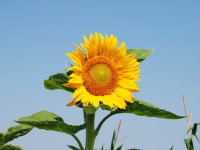
It's sunny.
|
إنها مشمسة |
It's windy.
|
فمن عاصف |
It's very windy today.
|
فمن عاصف جدا اليوم |
The weather's bad.
|
الطقس رديء |
The weather's nice.
|
الطقس لطيف |
It's supposed to be nice tomorrow.
|
ومن المفترض أن تكون جيدة الطقس غدا |
Flashcards
Here are some flashcards to help you learn how to talk about the weather in English.
قراءة
مفردات اللغه
| shopping district | منطقة التسوق |
| marina | مارينا |
| theater | مسرح |
| shops | متجر |
| ice cream | جيلاتي |
| idea | فكرة |
| ice cream cone | مخروط الآيسكريم |
| prepare | جعل |
| inlet | مدخل محيط ضيق |
| glistening | متلألئ |
| ferry | عبّارة الركاب |
| view | منظر |
| produce | فواكه وخضراوات |
| bag | حقيبة |
| cashier | أمين الصندوق |
Chapter 2: Granville Island
Ana and Alejandro have been exploring Granville Island, a shopping district that contains a public market, marina, restaurants, theaters and small shops.
As they are walking along the waterfront, Alejandro sees an ice cream shop. “Hey Ana, let’s get some ice cream,” he says.
“That’s a good idea,” she agrees.
They walk into the shop and look at the different types of ice cream on display.
“What kind of ice cream cone are you going to get?” Ana asks her brother.
“I think I’ll get a chocolate cone. How about you?”
“They all look good, but I’m going to get the caramel swirl.”
“Hello,” the lady behind the counter says. “Have you decided what you would like?”
“I’ll have a caramel swirl ice cream cone,” Ana says.
“And I’ll have a chocolate one,” Alejandro adds.
The lady prepares the ice cream cones and hands them to Ana and Alejandro. “That’ll be six dollars,” she says.
They pay the lady and then walk back outside. There are a few small tables in front of the store, but they decide to keep walking. Soon they come to a large open area with several large benches.
“Let’s sit here,” Ana says.
They sit down on one of the benches and watch all the people walking by. In front of them is a small inlet glistening in the sun, and beyond that is Downtown Vancouver. Several people are kayaking on the water. A small pedestrian ferry is slowly approaching.
They sit quietly in the warm sun for a while, eating their ice cream cones. When Alejandro finishes his cone, he says “This is so relaxing. I could sit here all day.”
“It’s a beautiful view of the city from here. I wish I was in one of those sailboats though, slowly sailing away.”
“That would be nice!”
“Let’s go to the market and get some vegetables for tonight’s dinner,” Ana says after a few minutes.
They get up and walk into the market. Inside, the smell of fresh bread and coffee fills the air. People are talking, laughing, and calling out orders. They wander around the crowded market for a while, looking at all the things for sale. Eventually they find a produce vendor.
“What do we need to get?” Alejandro asks.
“We need some carrots, red peppers, onions, strawberries, and blueberries.”
They collect the items and bring them up to the cashier.
“Hello,” says the man at the cash register. “Did you find everything you need?”
“Yes. I think we have everything we need,” Ana replies.
“That’ll be $24.45.”
Ana pays the man and Alejandro picks up the bag with the food in it.
“Thank you,” Ana says as the man hands her the change, “Have a nice day.”
“You, too.”
Ana and Alejandro walk out of the market into the bright, sunny day and head home.
الاختبار
Take the online quiz to see how well you know the past tense of verbs in English.
Change the following sentences to use the past tense. Make sure to use correct capitalization and do not use contractions.
Example - Question: I do the work. Answer: I did the work.
weather