Present Tense of Verbs
Present Tense
A verb is a word that expresses an action, a condition or a state of being. Verbs have different forms to indicate if the action happened in the past, is currently happening, or will happen in the future. The present tense of a verb is used to indicate that an action, condition or state is:
- currently happening
- a general fact or truth
- habitual, everyday, or expected to continue for an unknown amount of time into the future.
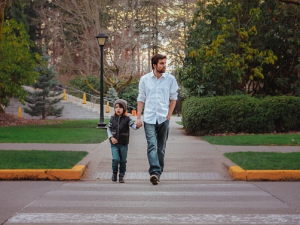
The following table shows the present tense for the regular verb walk. Most verbs follow this pattern.
To Walk (歩く)
 I walk
|
|
|
you walk
|
|
|
he walks
|
|
|
she walks
|
|
|
it walks
|
|
|
we walk
|
|
|
they walk
|
例
|
I see the cup.
|
私はカップ見る。 |
|
She reads the book.
|
彼女は本を読みます。 |
|
The boy closes the window.
|
その少年は窓を閉める。 |
|
We believe you.
|
私たちはあなたが言うことを信じています。 |
|
The girl goes to the store.
|
女の子は店に行きます。 |
|
He sings a song.
|
彼は歌を歌っています。 |

Verbs - Present Progressive Tense
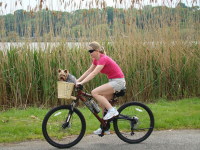
In English there is also the present progressive tense, also called the present continuous, to indicate that an action is happening in the present. This is is used to emphasize that an action is happening right at this moment, or is happening now but only for a short amount of time.
The present progressive tense is formed using to be with the verb, and adding ing to the end of the verb. For example I am walking. Contractions are often used in this case. For example I'm walking.
|
I am walking
|
|
|
you are walking
|
|
|
he is walking
|
|
|
she is walking
|
|
|
it is walking
|
|
|
we are walking
|
|
|
they are walking
|
例
|
I'm walking to the store.
|
私は店に行く。 |
|
He's opening the door.
|
彼はドアを開きます。 |
|
It's raining.
|
雨が降っています。 |
|
We're waiting for you.
|
私たちはあなたを待っています。 |


To Have
Have is a very common verb that is irregular in the present tense. The following table shows the forms of have in the present tense.
|
I have
|
|
|
you have
|
|
|
he has
|
|
|
she has
|
|
|
it has
|
|
|
we have
|
|
|
they have
|
例
|
I have an apple.
|
私はリンゴを持っています。 |
|
She has black shoes.
|
彼女は黒の靴を持っています。 |
|
We have a new table.
|
私たちは新しいテーブルを持っています。 |
|
You have a nice house.
|
あなたは素敵な家を持っています。 |
|
He has a blue car.
|
彼は青い車を持っています。 |
|
They have a grey cat.
|
彼らは灰色の猫を持っています。 |

広告
会話
English
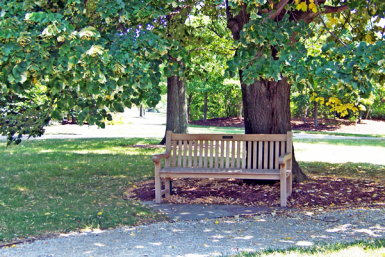
Ashley and Eric are sitting on a bench in a park enjoying a warm summer day.
Eric: What a beautiful day!
Ashley: Yes. I can't believe how warm it is.
Eric: Look at all the people walking around the park.
Ashley: I hear that it is going to rain tomorrow, so people are taking advantage of the nice weather.
Eric: Well, as much as I enjoy sitting in the sunshine, I am getting very hungry.
Ashley: You're not the only one. Let's go.
Eric and Ashley stand up and walk towards the restaurant.
日本語
アシュレイとエリックは公園のベンチに座っていて、暖かい夏の日を楽しんでいます。
Eric: いい天気ですね!
Ashley: はい。 私はそれがどれほど暖かいかを信じることができません。
Eric: 公園を歩くすべての人を見てください。
Ashley: 明日雨が降ると聞いているので、人々は素敵な天気を楽しんでいます。
Eric: さて、私が日差しの中に座っているのが好きなだけ、私は非常に空腹になってきています。
Ashley: あなただけではありません。 行こう。
EricとAshleyは立ち上がってレストランに向かって歩きます。
語彙と例文
|
to sit
|
座る |
|
park
|
パーク |
|
to enjoy
|
楽しむ |
|
warm
|
暖かい |
|
summer
|
夏 |
|
What a beautiful day!
|
いい天気ですね! |
|
I can't believe
|
私は信じることができません |
|
to walk
|
歩く |
|
It is going to rain tomorrow.
|
明日は雨が降ります。 |
|
sunshine
|
日光 |
|
tomorrow
|
明日 |
|
to take advantage of
|
付け込む |
|
weather
|
天候 |
|
I am getting very hungry.
|
私は非常に空腹になってきています。 |
|
Let's go.
|
行こう。 |
|
restaurant
|
レストラン |
Common Verbs
 to believe
|
信じる |
|
to close
|
閉める |
|
to come
|
来る |
|
to do
|
行う |
|
to find
|
見附る |
|
to give
|
与える |
|
to go
|
行く |
|
to help
|
助ける, 手伝う |
|
to lose
|
失う, 負ける |
|
to open
|
開く |
|
to read
|
読む |
|
to see
|
見る |
|
to talk
|
語る |
|
to think
|
考えます, 考える |
|
to want
|
欲する |
広告
稽古
オーディオアイコンを押して、あなたが聞いている英語の単語や文章を書いてください。 あなたの答えが正しいかどうかを確認するには、チェックボタンを押してください。
|
|
|
|
|
|
|
|
|
|
|
|
|
|
|
|
|
|
|
|
|
|
|
|
|
|
|
|
|
Present Tense Quiz
括弧内の単語に相当する英語の「present or present continuous tense」で文を完成させます。