過去について語る
「past tense」は、過去に起こった行動や出来事を説明するために使用されます。 「past tense」を形成する最も一般的な方法は、動詞の最後にedを追加するか、動詞が終了した場合に動詞の端にdを追加することです e。 たとえば、walkの過去の時制はwalkedです。 英語には多くの不規則な動詞があり、それらは後のレッスンで覆われています。
| Verb | Past Tense | |
|---|---|---|
| ask | asked | 尋ねる |
| decide | decided | 決める |
| help | helped | 助ける, 手伝う |
| like | liked | 好む |
| live | lived | 生きる |
| move | moved | 動く |
| open | opened | 開く |
| show | showed | 見せる, 示す |
| talk | talked | 語る |
| want | wanted | 欲する |
Examples
 She talked about her vacation.
|
彼女は彼女の休暇について話しました。 |
|
He closed the door.
|
彼はドアを閉めた。 |
|
We hoped for the best.
|
私たちは最高のことを願っていました。 |
|
The clouds drifted away.
|
雲は浮かんでいた。 |
広告
会話
English
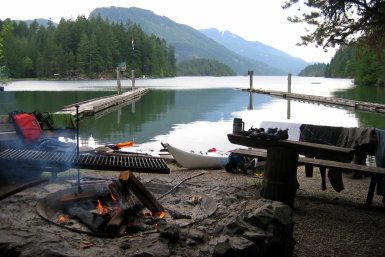
Eric phones Tom to tell him about his vacation at a nearby lake.
Eric: Hi Tom. How's it going?
Tom: Good. How was your vacation?
Eric: Great! We went hiking in the forest, and kayaking around the lake. We were very lucky with the weather, it was sunny and warm every day.
Tom: How many people were there?
Eric: There were five of us.
Tom: Where did you stay?
Eric: We rented a cabin at the south end of the lake. It was right on the lake, with a small beach in front. It came with a kayak and wood for the fire pit on the beach. I had such a great time that I want to go again next summer. Maybe you can come with us next time.
Tom: That sounds great!
語彙と例文
|
How many people were there?
|
何人の人がいましたか? |
|
at a nearby lake
|
近くの湖の隣 |
|
We went hiking in the forest, and kayaking around the lake.
|
私たちは森でハイキングに行き、湖の周りをカヤックに行きました。 |
|
beach
|
ビーチ |
|
cabin
|
キャビン |
|
to phone
|
電話する |
|
to tell
|
伝える, 言う |
|
fire pit
|
ファイアピット |
|
kayak
|
カヤック |
|
lucky
|
ラッキー |
|
to rent
|
借りる |
|
to come with
|
伴う |
|
south
|
南 |
|
to stay
|
とどまる, 留まる |
|
vacation
|
バケーション |
|
wood
|
木材 |
広告
Simple Past Quiz
動詞ごとに「past tense」を書きます。