Natural Objects Vocabulary
Introduction
In this lesson you'll learn some useful English words for natural objects such as landforms, water bodies, and celestial objects. To help you learn efficiently, this lesson includes:
- Audio pronunciation of the words
- Flashcards for fast memorization
- A vocabulary quiz to help you practice.
Example sentences are included to help you learn the words in context.
Celestial Bodies
These words describle objects found in space such as planets and stars.
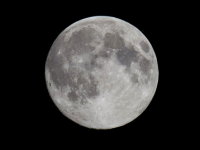
 moon
moon
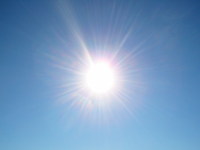 sun
sun
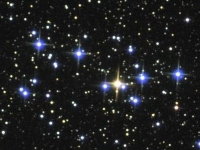 stars
stars
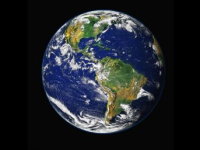 Earth
Earth
Geographic Features and Other Natural Objects
These words describe the natural formations found on the Earth’s surface and in the sky.
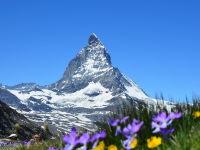 mountain
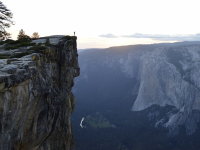 cliff
cliff
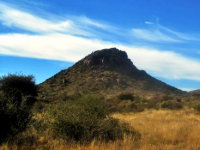 hill
hill
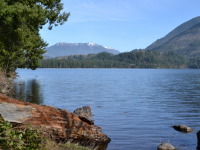 lake
lake
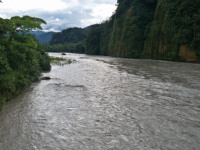 river
river
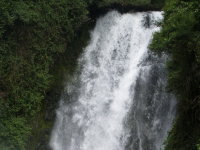 waterfall
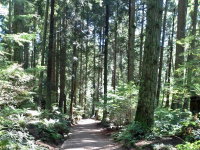 forest
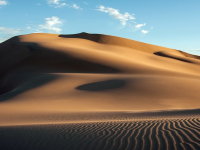 desert
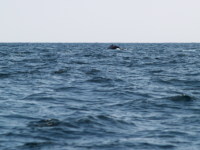 ocean
ocean
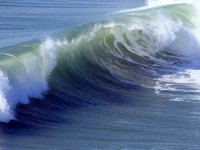 wave
wave
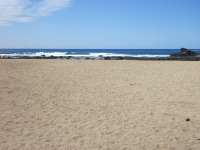 beach
beach
 island
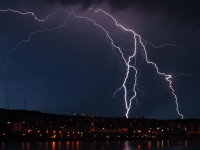 lightning
 cloud
cloud
Flashcards
Here are some flashcards to help you learn the words for objects in nature.
Vocabulary in Context
| The sun rises slowly above the mountains every morning. | 太阳每天早晨慢慢升起在群山之上。 |
| A narrow river flows through the valley and into the sea. | 一条狭窄的河流穿过山谷,流入大海。 |
| The night sky was so clear that we could see thousands of stars. | 夜空非常清澈,我们能看到成千上万的星星。 |
| We hiked to the top of the mountain to enjoy the view. | 我们徒步登上山顶欣赏风景。 |
| The desert is extremely hot during the day but very cold at night. | 沙漠白天非常炎热,但夜晚却很寒冷。 |
| The moon orbits the Earth, and the Earth orbits the sun. | 月球绕地球运行,地球绕太阳运行。 |
| The children played near the lake while their parents prepared lunch. | 孩子们在湖边玩耍,而父母在准备午餐。 |
| We crossed a wooden bridge over a small river. | 我们走过一座木桥,桥下是一条小溪。. |
| The forest was filled with birds singing in the early morning. | 清晨的森林里充满了鸟儿的歌声。 |
| Our planet is part of a vast galaxy containing billions of stars. | 我们的星球属于一个包含数十亿颗恒星的巨大星系。 |
Quiz
Here is a quiz to help you practice the English words for landforms, bodies of water, and celestial objects.
Progress