Lesson 18. Conditional Statements

Overview
In this lesson you'll learn how to use all four types of conditional sentences in English (Zero, First, Second, Third). In the vocabulary section you'll learn some common English words for clothing items. Interactive flashcards and a quiz are included.
At the end of the lesson is Chapter 9: The English Project, where Ana and Alejandro are assigned a major project for their English class. Audio is included so you can both read and listen to the story.
Annonce
Grammar Focus
Conditional Sentences
A conditional sentence describes a situation and its possible result. In English, conditional sentences often use modal verbs (such as will, shall, can, and may) together with the conjunction if. Conditional sentences can be formed using the simple present, simple past, or past perfect, depending on the type of condition being expressed.
Zero Conditional
The zero conditional is used to talk about general truths, scientific facts, habits, or things that always happen when certain conditions are met. For example, If it rains, I wear a jacket. This can also be written as I wear a jacket if it rains. Notice that each of the two verbs is in the present tense.
The conjunction when can also be used in the zero conditional. For example, When it rains, the grass gets wet.
Examples
| If I open the door, the cat runs outside. | Si j’ouvre la porte, le chat court dehors. |
First Conditional
The first conditional is used to describe a situation that is possible or likely to happen in the future if a certain condition is met. Examples of where to use the first conditional include: to show a future possibility, to give a warning or make a promise, or to state a specific plan if a condition is met. The modal verbs will and may are used in the first condtional. Use will to indicate certainty and may to indicate possibility. Here are some examples of sentences in the first conditional. Like the zero condtional, sentences in the first condtional use the present tense.
Examples
| If I open the door, the cat will run outside. | Si j’ouvre la porte, le chat va courir dehors |
| The cat will run outside if I open the door. | Le chat va courir dehors si j’ouvre la porte. |
| If I open the door, the cat may run outside. | Si j’ouvre la porte, le chat pourrait courir dehors. |
| If I open the door, the cat can run outside. | Si j’ouvre la porte, le chat peut courir dehors. |
| The cat will run outside if I open the door and say his name. | Le chat va courir dehors si j’ouvre la porte et que je dis son nom. |
| The phone will break if I drop it or throw it. | Le téléphone se cassera si je le fais tomber ou si je le jette. |
Second Conditional
The second conditional is used to refer to an imaginary or unreal event and its probable result. For the second conditional, would, which is the past tense of will, is usually used. For example, If I had a map, I would find the way. Could can also be used in the second conditional when referring to ability. For example, If I had a map, I could find the way.
Examples
| I would agree with you if you were right. | Je serais d’accord avec toi si tu avais raison. |
| The cat would go outside if I opened the door. | Le chat sortirait si j’ouvrais la porte. |
| I would read the book if I had more time. | Je lirais le livre si j’avais plus de temps. |
| I would read the book if it was interesting and I had more time. | Je lirais le livre si c’était intéressant et que j’avais plus de temps. |
| I would read the book if it was interesting or I had more time. | Je lirais le livre si c’était intéressant ou si j’avais plus de temps. |
| Snow would be great if it wasn't cold. | La neige serait géniale s’il ne faisait pas froid. |
Third Conditional
The third conditional is used to describe the imagined result of an alternative action in the past. It is often used to express regret. The conditional perfect is formed using would have with the past participle of the verb. For example, I would have passed the exam if I had studied harder.
Examples
| We would have gone if we had enough money. | Nous y serions allés si nous avions eu assez d’argent. |
| The cat would have gone outside if I had opened the door. | Le chat serait sorti si j’avais ouvert la porte. |
| I would have walked to the store if it wasn't raining. | J’aurais marché jusqu’au magasin s’il ne pleuvait pas. |
| Would they have done the dishes if I had asked them? | Auraient-ils fait la vaisselle si je leur avais demandé ? |
| I would not have offered if I didn't mean it. | Je n'aurais pas proposé si je ne le pensais pas. |
| The snow would not have melted if it was a bit colder. | La neige n’aurait pas fondu s’il avait fait un peu plus froid. |
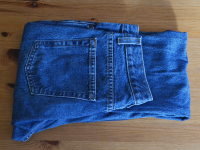
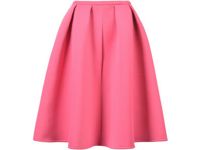
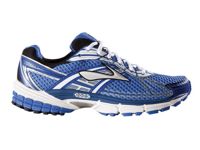
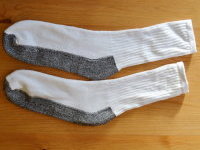
Clothing Vocabulary
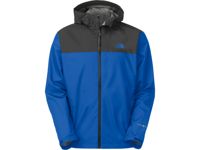
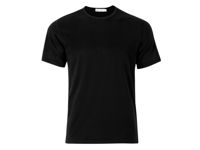



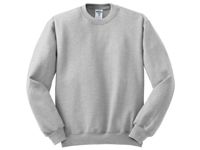
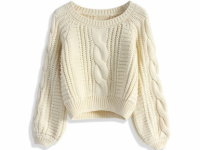
Flashcards
Here are some flashcards to help you learn the English words for items of clothes.
Chapter 9: The English Project
Chapter Vocabulary
| group project | projet de groupe |
| Sunlight filtered through the tall windows. | La lumière du soleil filtrait à travers les hautes fenêtres. |
| assignment | devoir |
| meaningful | significatif |
| specific | spécifique |
| What should we focus on? | Sur quoi devrions-nous nous concentrer ? |
| What has stood out to us since we arrived? | Qu’est-ce qui nous a marqué depuis notre arrivée ? |
| A quiet tension settled over the table. | Une tension silencieuse s’installa sur la table. |
| to include | inclure |
| perspective | perspective |
| to divide evenly | diviser de manière égale |
| to navigate | naviguer |
| to shape | façonner |
| overwhelming | accablant, écrasant |
| Their outline was complete. | Leur plan était complet. |
| to glance | jeter un regard |
| direction | direction |
Story
Listen to the story
The classroom felt unusually quiet when Ana and Alejandro walked in. Sunlight filtered through the tall windows, and the whiteboard at the front of the room displayed a single sentence:
Group Project: Life in Vancouver
Ms. Carter greeted the class with a warm smile. “For this assignment, you’ll work in small groups. Your task is to create a short presentation about life in Vancouver: what you’ve noticed, what you’ve learned, and what feels meaningful to you.”
Ana felt a small spark of excitement. She liked projects that allowed room for reflection.
The groups formed naturally. Ana and Alejandro joined Mia and Kenji at a table near the window. Papers, pens, and half‑finished ideas were spread out between them.
“So,” Mia said, “what should we focus on? Vancouver is huge. We need something specific.”
Kenji nodded. “If we choose something too broad, we won’t finish.”
Alejandro leaned back in his chair. “We could talk about food, nature, or the rain.”
Ana looked at the blank page. “Maybe we should start with what we’ve experienced. What has stood out to us since we arrived?”
Everyone was quiet for a moment.
Then Mia said, “The mix of cultures. I’ve never lived in a place where so many languages are spoken in one room.”
Kenji added, “The nature. The forests are amazing.”
Alejandro said, “The weather. It changes so quickly.”
Ana nodded. “And the people. Everyone has their own story.”
They had ideas, but they didn't have any structure.
Mia tapped her pen. “If we try to include everything, the presentation will be confusing.”
Kenji frowned slightly. “But if we choose only one topic, it won’t feel complete.”
A quiet tension settled over the table. It wasn't anger, just uncertainty. There were four perspectives for only one project.
Ana took a slow breath. “What if we’re thinking about it the wrong way?”
The others looked at her.
“We don’t have to choose one topic,” she said. “We can choose one question.”
Mia’s eyes brightened. “Like… what makes Vancouver feel alive?”
Kenji nodded. “Or what makes Vancouver feel like home.”
Alejandro leaned forward. “Yes. And each of us can answer it from our own experience.”
The tension eased. The idea felt balanced. It was shared, but personal.
“If we organize it by voices instead of topics,” Ana said, “we can keep it focused and still include everything that matters.”
Mia smiled. “If we divide the work evenly, we’ll finish on time.”
Kenji added, “If we finish early, we can practice together.”
Alejandro grinned. “If we practice, we’ll feel confident.”
The group began writing. The page filled quickly with short notes, memories, and pictures of the city that had shaped their first weeks here.
Mia wrote about the sound of different languages on the bus.
Kenji wrote about the beauty of the forests, the lakes, and the mountains.
Alejandro wrote about the rain, the ocean, and the feeling of learning to navigate a new place.
Ana wrote about connection, such as the small moments of kindness that make the city feel less overwhelming.
By the end of class, their outline was complete.
Ms. Carter walked by and glanced at their work. “This is thoughtful,” she said. “If you continue like this, your presentation will be great.”
Ana felt a quiet sense of pride. It wasn't because the project was perfect, but because they had found a way to listen to each other.
As they packed up, Mia said, “If we meet tomorrow, we can start making the slides for the project.”
Kenji nodded. “If we meet in the morning, the café will be quiet.”
Alejandro smiled. “If the café has cinnamon rolls, I will be there.”
Ana laughed softly. The group had different ideas, but one direction.
Outside, the sky was pale and calm. The city felt alive around them, full of stories they were still learning to tell.
Quiz
Part 1 - Conditional Sentences
Fill in the blank with the conditional form of the verb in brackets.
Example
Question: I _____ to the park if it was sunny. (walk)
Answer: I would walk to the park if it was sunny.
Part 2 - Conditional Form with Questions
Convert the following sentences to questions.
Example
Question: He would walk to the park if it was sunny.
Answer: Would he walk to the park if it was sunny?
6) The children would play outside if it wasn't raining.
7) This chair would be nice if it wasn't broken.
8) You would think that that was a nice thing to do.
9) Our math teacher would help us.
10) They would let us know if they needed help.
Part 3 - Conditional Form with Negative Statements
Convert the following questions to negative statements. Do not use contractions.
Example
Question: He would walk to the park if it was sunny.
Answer: He would not walk to the park if it was sunny.
11) The children would play outside if it was raining.
12) This chair would be nice if it was bigger.
13) He would think that that was a nice thing to do.
14) Our math teacher would help us.
15) They would let us know if they needed help.