Nature Vocabulary
In this lesson you'll learn common German words for natural objects, plants, and animals. You'll also learn some words and phrases related to the weather. The words are shown with the definite article and the plural form is shown in parentheses. Pictures are shown with most of the words to make it easier to remember them.
Flashcards and a quiz are included at the end of the lesson to help you learn the German words and phrases that are included in the lesson.
Advertisement
Introduction
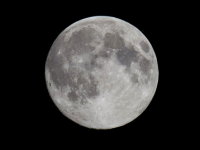
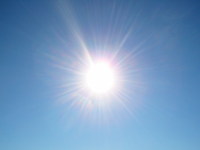
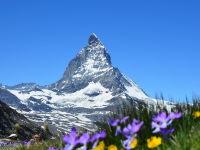
The German word is given for each of the following pictures along with the definite article. The plural form of nouns is given in parentheses. For example: der Mond (e). In this case der Mond means the moon. The plural form is die Monde. (-) means there is no plural form of the noun. See the lesson on nouns for more information about the plural of nouns in German.
Die Natur (Nature)










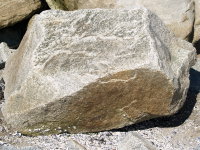


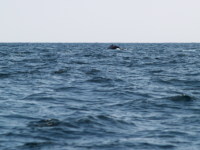
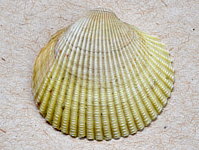

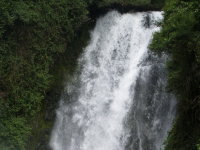



Die Tiere (Animals)
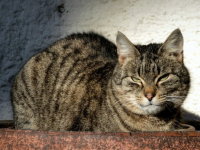

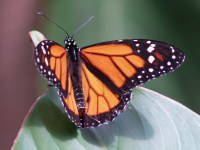
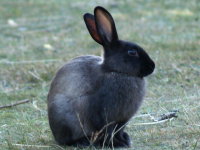
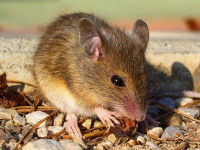
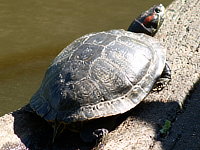
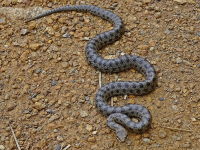
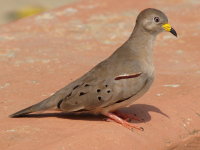
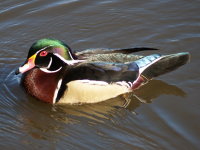
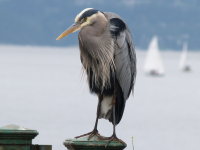
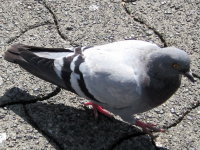
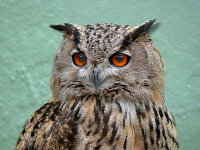
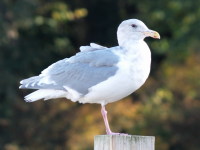
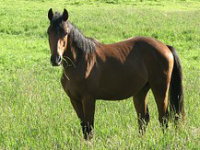
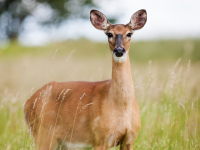
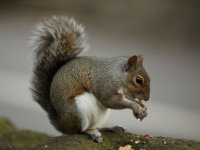
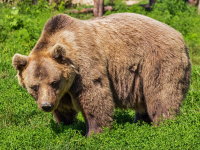
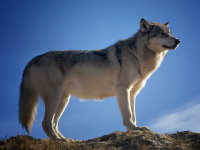
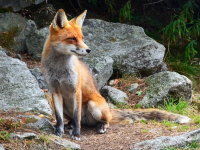
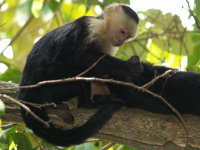
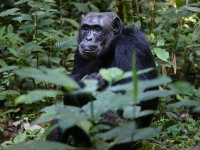
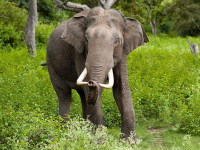
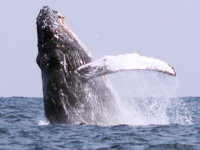

Here are some common German words for parts of an animal's body.
| die Pfote (n) | the paw |
| die Kralle (n) | the claw |
| der Schwanz (Schwänze) | the tail |
| der Flügel (-) | the wing |
| die Feder (n) | the feather |
| der Schnabel (Schnäbel) | the beak |
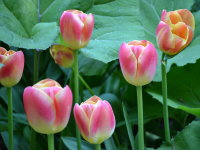
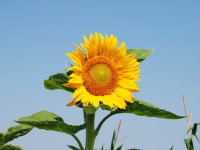
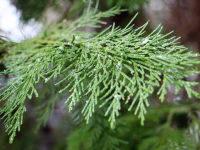
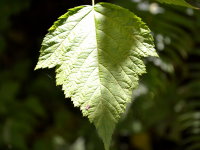
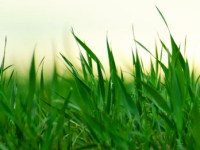
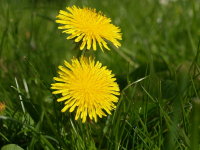
Die Pflanze (Plants)


Das Wetter (Weather)
The weather is a popular topic of conversation. Here are some German phrases you can use when talking to people about the weather.
| Wie ist das Wetter? | How's the weather? |
| Es ist heiß. | It's hot. |
| Es ist sehr heiß. | It's very hot. |
| Es ist kalt. | It's cold. |
| Es ist zu kalt. | It's too cold. |
| Es ist eiskalt. | It's freezing. |
| Es ist bedeckt. | It's overcast. |
| Es ist frostig. | It's frosty. |
| Es ist sonnig. | It's sunny. |
| Es ist windig. | It's windy. |
| Es ist kühl. | It's chilly. |
| Das Wetter ist schön. | The weather's nice. |
| Das Wetter ist schlecht. | The weather's bad. |
| Es ist feucht. | It's humid. |
| Es ist neblig. | It's foggy., It's misty. |
| Es regnet. | It's raining. |
| Es schneit. | It's snowing. |
| Es ist bewölkt. | It's cloudy. |
| Wieviel Grad ist es? | What's the temperature? |
| Es ist zweiundzwanzig Grad. | It's twenty-two degrees. |
Flashcards
Here are some flashcards to help you learn the German words for natural objects, animals, and plants.
German Nature Words Quiz
Here are some practice questions to help you learn the German words for natural objects, animals, and plants. Write the German word for the animal, plant, or natural object shown in each picture. There are 15 questions in total. The questions will be a bit different each time you take the quiz.